
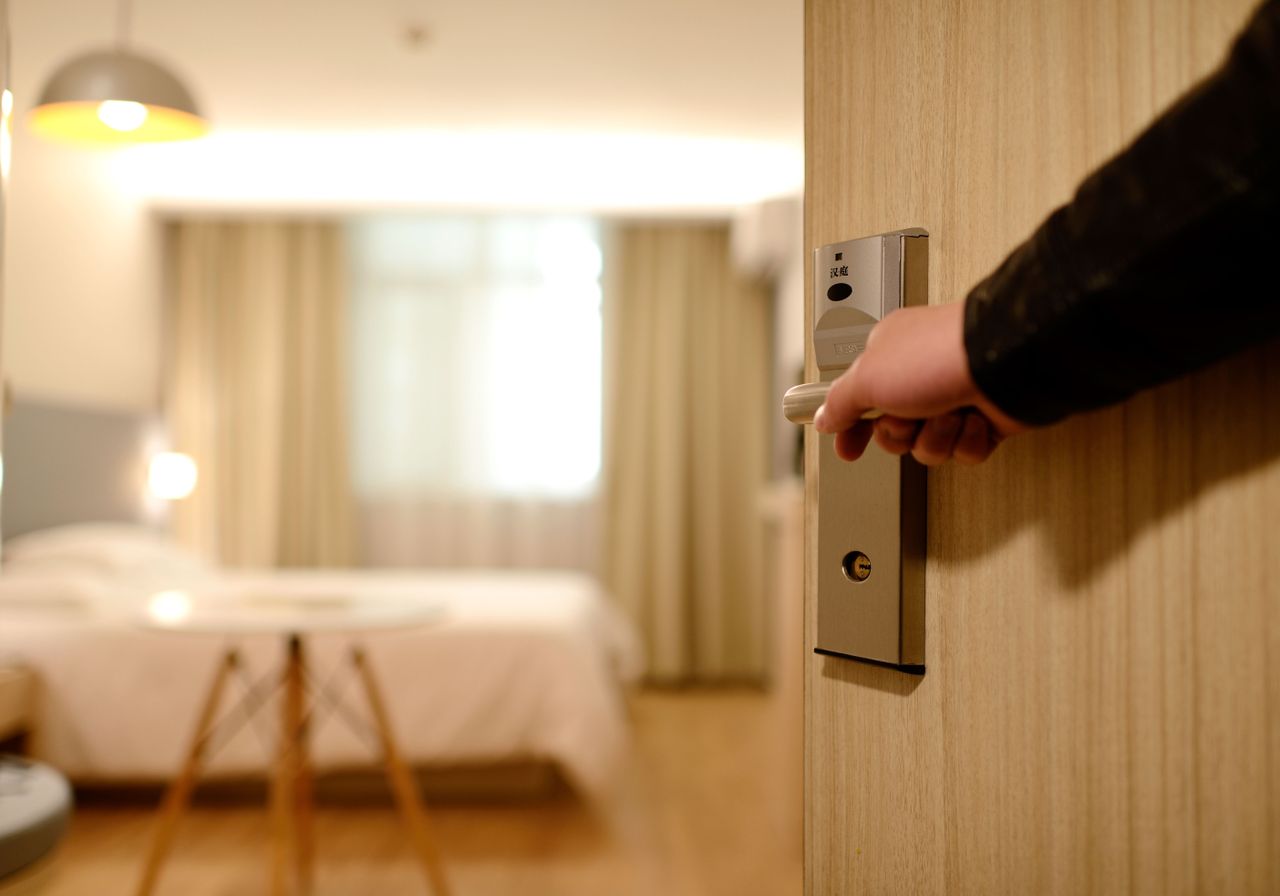
Think about the last time you checked into a hotel or vacation rental.
You walk through the door after a long flight, carrying luggage, trying to remember the Wi-Fi password, wondering where to find check-in instructions, and figuring out how the TV works.
Then imagine a different experience.
The TV instantly welcomes you by name. The Wi-Fi QR code is already on the screen. Local restaurant recommendations are waiting for you. Streaming apps are ready to use. Property information is easy to find.
No searching.
No confusion.
No printed instructions taped to the refrigerator.
That difference is exactly why smart hospitality is becoming one of the biggest shifts happening in vacation rentals today.
Guests no longer compare their stay only to another rental property. They compare it to every modern digital experience they use every day.
And expectations are changing quickly.
What Is Smart Hospitality?
Smart hospitality is the use of connected technology to create smoother, more personalized guest experiences.
Instead of relying on manual processes and static information, properties use digital tools that improve convenience for both guests and hosts.
This can include:
- Smart TVs with personalized interfaces
- Mobile check-in systems
- Digital property guides
- Smart locks
- Voice assistants
- Automated messaging
- Guest communication platforms
- Remote property management tools
In simple terms, smart hospitality helps properties feel more connected, modern, and effortless.
The goal isn’t adding technology for the sake of technology.
The goal is making a stay feel easier.
Why Vacation Rentals Are Changing Faster Than Ever
Vacation rentals used to compete on basic things:
- Price
- Location
- Number of rooms
- Amenities
Those factors still matter.
But guests are increasingly paying attention to the experience itself.
People now expect technology to work naturally in the background.
Think about everyday life:
You stream movies instantly.
You unlock phones with your face.
You order food through apps.
You scan QR codes without thinking twice.
So when guests arrive at a property and see printed instruction sheets, outdated cable boxes, or complicated setups, the experience can suddenly feel disconnected.
Small moments create big impressions.
And sometimes those impressions directly affect reviews.
How Smart Hospitality Actually Works
One of the biggest misconceptions is that smart hospitality means filling a property with complicated technology.
It doesn’t.
In reality, smart hospitality often works through connected systems that quietly simplify things behind the scenes.
Here’s a simple example:
Traditional vacation rental experience
Guest arrives:
- Searches for Wi-Fi password
- Looks for house instructions
- Tries to understand TV setup
- Messages host with questions
- Searches for local recommendations
Smart hospitality experience
Guest arrives:
- Personalized welcome screen appears
- Wi-Fi QR code is instantly available
- Property information is easy to access
- Streaming entertainment is ready
- Local recommendations appear automatically
The difference feels small on paper.
But to a guest?
It feels smoother.
And smoother experiences tend to feel more premium.
Real-World Examples of Smart Hospitality
Smart hospitality already exists across many parts of the travel industry.
Some examples include:
Hotels using mobile check-in
Guests bypass front desks and enter rooms directly through digital systems.
Vacation rentals using smart locks
Hosts no longer need physical key handoffs.
Digital concierge systems
Properties recommend nearby restaurants, attractions, and services automatically.
Smart TV guest experiences
TV screens become more than entertainment devices.
They become information hubs where guests can:
- Access streaming apps
- View welcome messages
- Find Wi-Fi details
- Explore local recommendations
- Learn property information
For many properties, this changes everything.
The TV is already one of the most used devices inside a stay.
Now it can become much more useful.
Why Smart Hospitality Matters More Than People Realize
Most guests won’t say:
“I booked because of your technology.”
But they often remember how easy a stay felt.
They remember:
- Whether information was easy to find
- Whether entertainment worked
- Whether the property felt modern
- Whether the experience felt personalized
Those details influence things that matter to property owners:
- Guest satisfaction
- Reviews
- Repeat bookings
- Reputation
- Revenue opportunities
Sometimes improving guest experience isn’t about adding luxury.
It’s about removing friction.
The Hidden Business Opportunity Behind Better Guest Experiences
Here’s where things become interesting.
Smart hospitality doesn’t only improve guest experiences.
It can also create new opportunities for property owners.
For example:
Digital experiences can help properties:
- Reduce repetitive guest questions
- Update information remotely
- Lower dependence on printed materials
- Replace expensive legacy systems
- Create personalized interactions
- Introduce advertising or local partnerships
Instead of becoming another operational expense, technology can sometimes create additional value.
For many businesses, this changes everything.
The experience itself becomes part of the business model.
Smart Hospitality vs Traditional Hospitality
Traditional Hospitality |
Smart Hospitality |
| Printed instructions | Digital information |
| Cable TV systems | Streaming experiences |
| Manual communication | Automated messaging |
| Generic experiences | Personalized experiences |
| Separate systems | Connected platforms |
| Limited guest interaction | Interactive experiences |
The shift isn’t happening because traditional systems suddenly stopped working.
It’s happening because guest expectations moved forward.
What Does the Future of Vacation Rentals Look Like?
The next generation of vacation rentals will likely feel less like temporary spaces and more like connected experiences.
Guests may expect:
- Personalized welcome experiences
- Seamless entertainment
- Smart recommendations
- Instant access to information
- Automated convenience
And many property owners are beginning to realize something important:
Technology isn’t replacing hospitality.
It’s enhancing it.
The human side of hosting still matters.
Technology simply removes unnecessary friction so hosts can focus more on creating memorable experiences.
Where GuestBox Fits Into This Shift
As smart hospitality continues to evolve, many property owners are looking for practical ways to modernize without adding complexity.
Platforms like GuestBox are built around this idea by transforming existing property TVs into centralized guest experiences.
Instead of functioning only as entertainment devices, TVs can become spaces where guests access information, streaming content, recommendations, and personalized experiences in one place.
For many properties, this creates a simpler way to upgrade the overall stay without completely reinventing operations.
Conclusion
Smart hospitality is changing vacation rentals because guest expectations are changing.
People want convenience.
They want personalization.
They want experiences that feel effortless.
And increasingly, they expect technology to quietly support those experiences.
The interesting part is that this shift isn’t only about keeping up with trends.
It’s about creating better experiences while opening doors to new possibilities.
Because sometimes the biggest improvements aren’t dramatic changes.
They’re the small moments that simply make everything easier.